Request a Quote
Send your application, material or reference sample, diameter, length, color, quantity and packaging requirements. We reply within 12 hours.

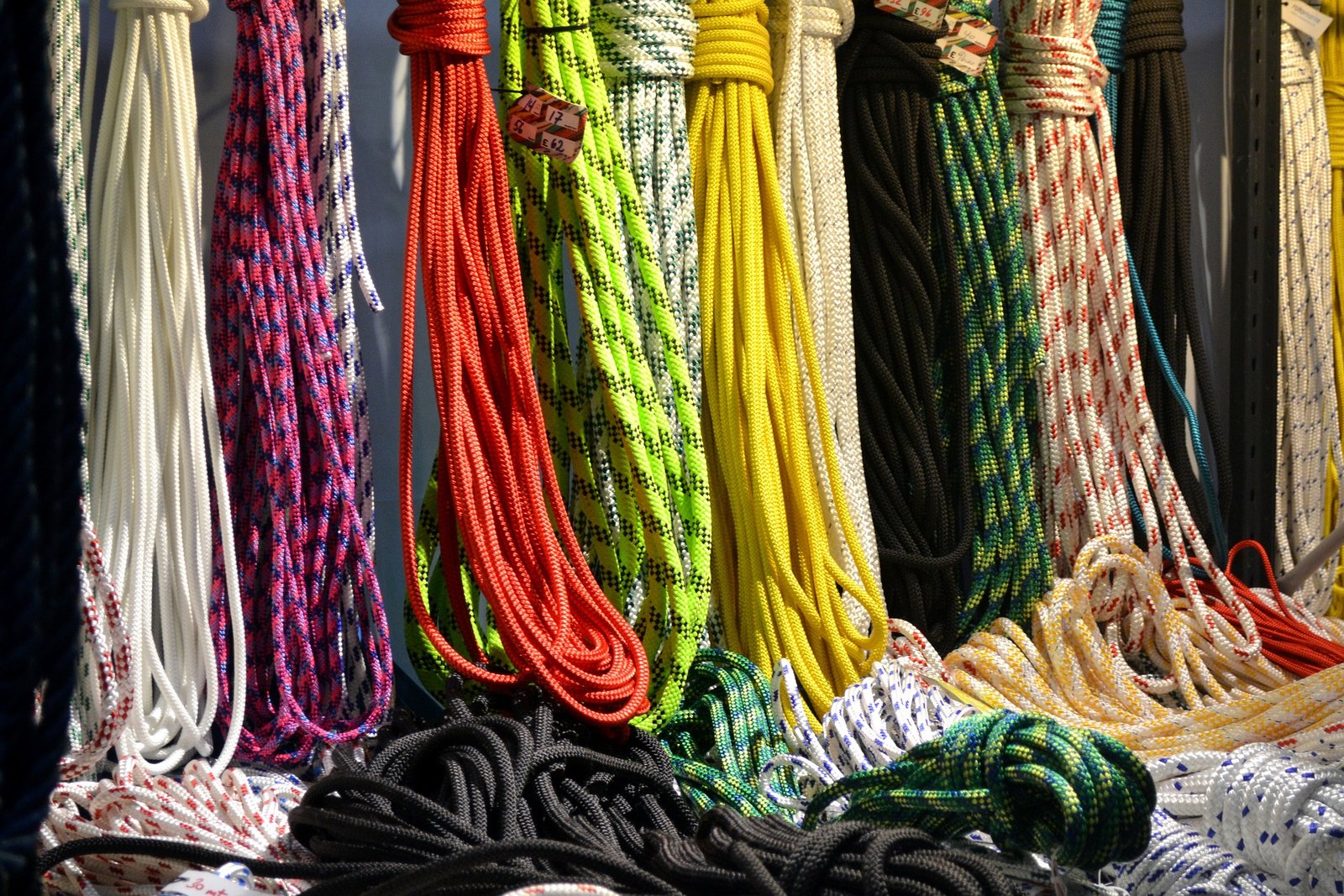
A bulk rope order can look straightforward on the surface: pick a material, a diameter, a color, and a length. But the gap between a quick inquiry and a production-ready order is where costly mistakes live. Different materials behave differently, braid names are not interchangeable, and the number of finished pieces is not the same as the number of meters you need to order.
A rope purchase specification should identify the material, construction, diameter, finished length, color, quantity by color, packing and any required tests. Agree the sample and acceptance requirements before bulk production.
This checklist walks through each of those fields and explains what to confirm before a factory cuts a single meter.
Planning a Polyester, Nylon or Polypropylene rope order?
Share the application, material, diameter and estimated quantity for review.
Material and diameter alone do not define an order. Two ropes can share the same nylon rope specifications on paper—same material, same diameter—yet differ in construction, cut length, color, packaging, and testing requirements. If those details are left open, the supplier has to guess, and guesses become disputes.
A complete specification works best as a one-page form. Everyone sees the same document, and nothing important lives only in an email thread.
A practical specification form should include the following fields:
Keep this form editable. An inquiry form and a production specification are not the same document. Unconfirmed fields stay open until both sides agree.
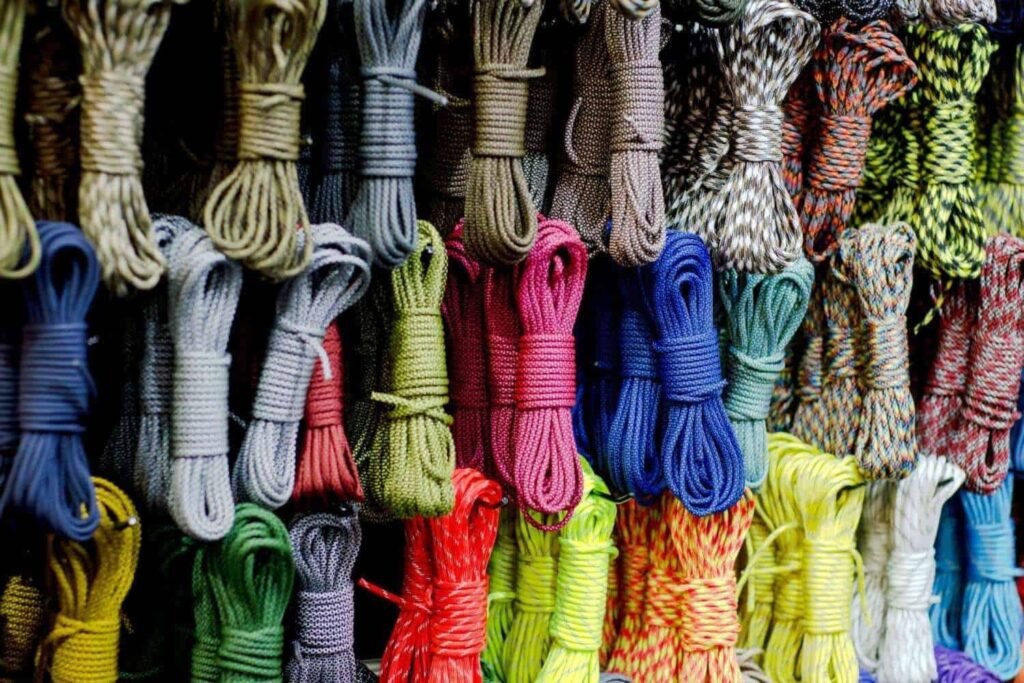
The three main material choices for braided rope are Polyester, Nylon, and Polypropylene.
Each has different properties. Polyester is often chosen for low stretch and resistance to UV and abrasion. Nylon is known for elasticity and shock absorption. Polypropylene is lightweight and floats. These are general tendencies, not performance guarantees for a specific order. If a buyer needs a particular test result, that requirement should be written into the rope purchase specification and confirmed per order.
Baiyuheng Ropes manufactures in Jiangmen, Guangdong, China, and offers the following diameter ranges:
All three materials support Hollow, Solid, Diamond, Double, and Flat Braid constructions. Floating Twisted and 3-Strand Twisted are additionally confirmed for PP only.
Here is where a common mistake happens. Braid names are not interchangeable. A “diamond braid” from one supplier is not automatically the same as a diamond braid from another. The number of carriers, the pick density, the core construction, and the finishing all affect how the rope feels, performs, and handles. That is why the chosen construction must match the reference sample. If the sample is a diamond braid with a specific hand feel and density, the production rope needs to match that sample—not just share the name on a spec sheet.
When specifying construction, attach a photo of the sample, note the sample version and date, and state clearly that production must match that reference. This single step prevents more disputes than almost any other.
Diameter should be recorded as nominal diameter, not as a range unless the buyer and supplier have agreed on a tolerance. A “5 mm rope” can measure 4.8 mm to 5.2 mm depending on material, construction, and measurement conditions. If diameter matters for a fitting, a splice, or a machine, state the measurement condition: measured under tension or relaxed, with a caliper or a tape.
Finished length should also be recorded as finished cut length. A 100-meter reel that is cut into 2-meter pieces does not yield 50 finished pieces unless the cutting allowance and end treatment have been accounted for.
Color is another field where assumptions cause trouble. Ask the buyer to send an approved color reference or a physical sample. A verbal description like “navy blue” is not a specification. Different monitors, lighting conditions, and dye lots produce different results.
For stock colors, Polyester stock-color MOQ is 1,000 m per color, with approximately 80% color matching. Custom dyeing MOQ is 3,000 m per color, with over 90% similarity. Final color is confirmed against the approved reference. PP has at least 300 colors and starts at 1,000 m per color. Nylon custom colors start at 3,000 m per color.
Dimensional tolerances and color acceptance criteria are items to agree, not factory-wide guarantees. The right approach is to state what the buyer needs, ask the supplier to confirm what is achievable for the specific order, and write the agreed criteria into the specification.
Quantity is one of the most misunderstood fields in a rope purchase specification. There are at least four different numbers that need to be separated:
Here is a clearly labeled example:
That is 500 pieces before any allowance agreed with the supplier. Depending on the material and construction, cutting may produce waste, and end treatment may consume additional length. Do not equate 500 pieces with MOQ.
MOQ is measured in meters per color, not pieces. A buyer who needs 500 pieces of 2 m rope in one color is looking at 1,000 m of that color. That number—1,000 m—is the relevant figure for MOQ comparison. If the same order is split across three colors, each color needs to meet its own MOQ.
Packing should be specified separately from quantity. Unit packing describes how each piece is presented: coiled, hanked, spooled, or loose. Carton requirements describe how the packed units are boxed: pieces per carton, carton dimensions, carton marks, and gross weight limits. A carton that is too heavy for manual handling or too large for a pallet creates problems downstream. Keep unit packing and carton requirements as separate fields so nothing gets merged or lost.
Before bulk production begins, the specification should move from an inquiry stage to a confirmed production stage. Several items need explicit confirmation:
Distinguish an inquiry form from a production specification. An inquiry form collects requirements for quoting. A production specification freezes those requirements into an agreed document. Unconfirmed fields stay open until agreed. A field that says “TBD” is not a specification.
Fixed sample times, production times, prices, or shipping inclusions should not be promised in the specification. Instead, confirm the requirement and let the supplier quote for the specific order.
A clear inquiry gets a clearer quote. Here is a copyable template buyers can use:
Rope Inquiry Template
Send this template to the supplier and ask for order-specific confirmation on MOQ, sample timing, production timing, shipping, and final price. Do not rely on a generic price list for a customized order.For buyers exploring OEM options, the OEM page provides an overview of customization capabilities. For a deeper look at how packaging choices affect cost and handling, see our article on rope packaging requirements. For details on end finishing and hardware, see our guide to rope end finishing options.
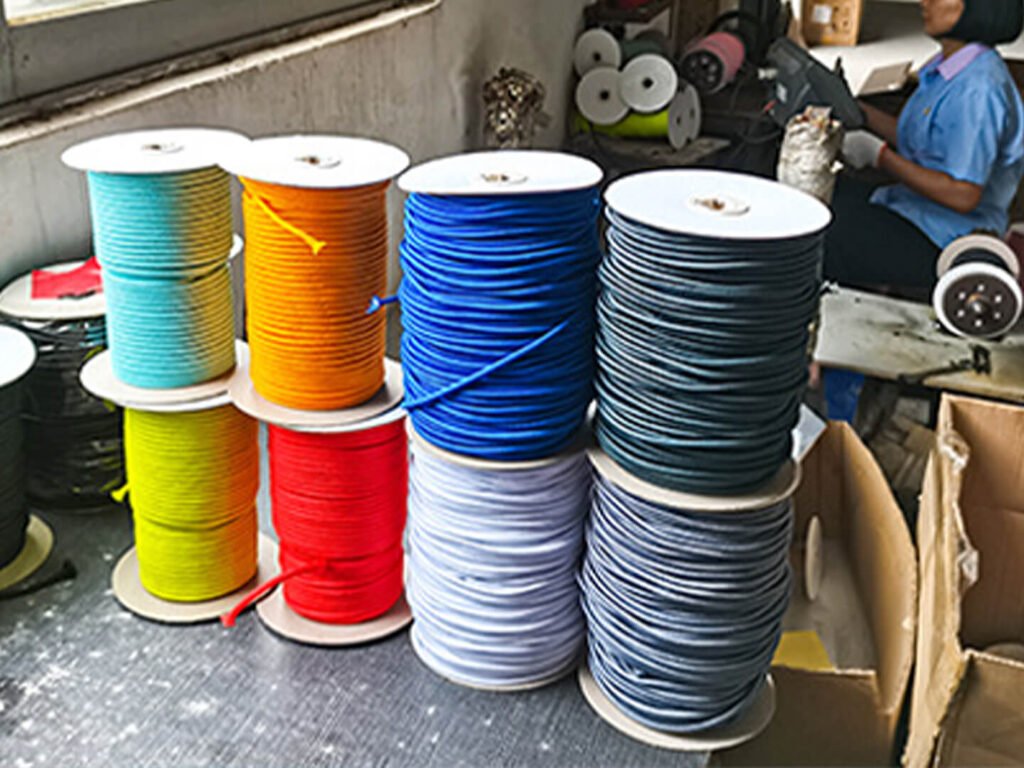
A rope specification is not a formality. It is the document that turns a conversation into an order. Material, construction, diameter, length, color, quantity, packing, and testing are all part of the same picture. Missing one field shifts risk onto the supplier or the buyer, and both sides lose when production has to stop for clarification.
Use the one-page form, attach the approved sample, record the color reference, separate meters from pieces, and confirm every field before production starts. A bulk rope order that begins with a complete specification is far more likely to end with a shipment that matches expectations.
Q: Is material and diameter enough to quote a rope order?
A: No. Include construction, length, color, quantity, packing and any required tests. An intended application or reference sample also helps the manufacturer review the requirement.
Q: Is the MOQ measured in pieces?
A: Baiyuheng’s confirmed MOQ is expressed in meters per color. The number of finished pieces depends on the agreed cut length and order requirement.
Q: Can I request a diameter outside the listed range?
A: Send the requirement for review. The confirmed ranges are 2–5 mm for Polyester and 3–10 mm for Nylon and Polypropylene; an outside-range request requires separate confirmation.
Q: Should tolerances be written in the purchase specification?
A: Yes. Define the required dimensional acceptance criteria and measurement conditions, then agree them with the supplier. Do not assume a tolerance applies without confirmation.