Request a Quote
Send us a message if you have any questions or request a quote. Our experts will give you a reply within 24 hours and help you.


The question “does polypropylene rope float” has a simple answer: yes, polypropylene rope floats. Polypropylene is a low-density polymer, meaning it is lighter than water, so a pp rope made from it stays on the surface rather than sinking. That one property is why buyers specify it for marine, rescue, and utility work where a floating rope is a requirement, not a preference.
It is a simple question—does polypropylene rope float—and it has practical consequences for dock operations, water rescue teams, fishing crews, utility contractors, and retail brands. If you are evaluating materials and want to know whether a floating rope belongs in your range or your next project, the sections below cover what matters most during sourcing.
Not sure which rope material fits your job?
Tell us your application and we will point you to the right option.
If you are asking does polypropylene rope float, the answer is straightforward: yes. Polypropylene has a lower density than water. When a material is lighter than the water it displaces, it floats, and polypropylene does this naturally without any coating, filler, or special treatment. The buoyancy is inherent to the polymer itself rather than an added feature, so it does not depend on a surface finish or a special construction to stay on the surface.
This is what separates it from other common rope materials. Polyester and nylon are heavier and absorb water, which makes them sink and become heavier over time. A floating rope made from polypropylene stays on the surface because the material does not take on water. That is why the answer to does polypropylene rope float stays the same whether you are testing in salt water or working on a freshwater lake. The material property does not change with the setting, which makes it predictable for marine, rescue, and utility buyers who need reliable buoyancy.
In practical terms, that predictability is the value. If a line goes overboard, a pp rope that floats remains within reach instead of dropping below the surface. For procurement, this means you can specify a floating rope for applications where recovery and visibility matter, without adding coatings or relying on an outer layer to provide buoyancy. The rope floats because of what it is made of, and that is the simplest way to answer the question does polypropylene rope float.
When a rope goes overboard, the question is not whether it gets wet — it is whether you can get it back. A floating rope stays on the surface, stays visible, and stays recoverable. That simple behavior changes how work gets done in several settings.
On boats and at docks, lines end up in the water constantly. A pp rope that floats remains on the surface instead of dropping below the hull, so crew can retrieve it with a hook or by hand. Throwing lines, temporary mooring lines, and deck working ropes all benefit because a floating rope stays where it can be reached.
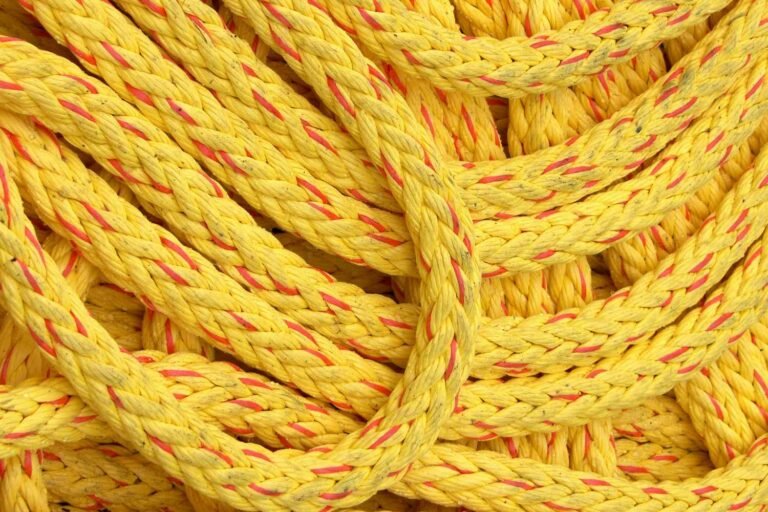
Buoy tethers, rescue lines, and pool dividers depend on floating rope to hold position and remain visible. In water rescue, a rope that floats is easier for a swimmer to grab and easier for an operator to spot. Bright colours support this further, which is why safety programmes often specify high-visibility colours for a floating rope.
Not every application involves water, but many benefit from a rope that is light and economical. Contractors use pp rope for marking, pulling, and general site work. Agricultural users rely on it for tying and light-duty tasks. In both cases, low cost and wide availability make polypropylene a practical choice.

Polypropylene is a cost-effective material. Its raw material cost is low and it processes easily, which keeps finished rope competitively priced against alternatives in the same specification. For projects that need volume without a premium material, that factor often decides the order.
For procurement managers, this matters most in applications where the performance requirement is general rather than specialised. A pp rope can meet a buoyancy need and a budget target at the same time, without paying for properties the job does not require. When the brief is simply “does polypropylene rope float,” a low-cost material that answers yes is usually the most efficient specification on the table.
It also helps that polypropylene rope uses are broad. The same material serves dock lines, buoy tethers, rescue lines, pool dividers, agricultural tying, and general utility work, so a single specification can cover several product lines or several jobsite needs. That versatility is what makes pp rope easy to justify in volume purchasing.
For buyers comparing options, the calculation is straightforward. If the application needs buoyancy and cost control rather than premium performance, a floating rope in polypropylene delivers both without over-specifying the order. The material floats on its own, which means the buoyancy comes from the polymer rather than from added cost.
The range of options available often decides whether a supplier can serve several product lines at once. Colour and diameter cover most custom requests, while construction determines how the rope behaves on the water and on the job.
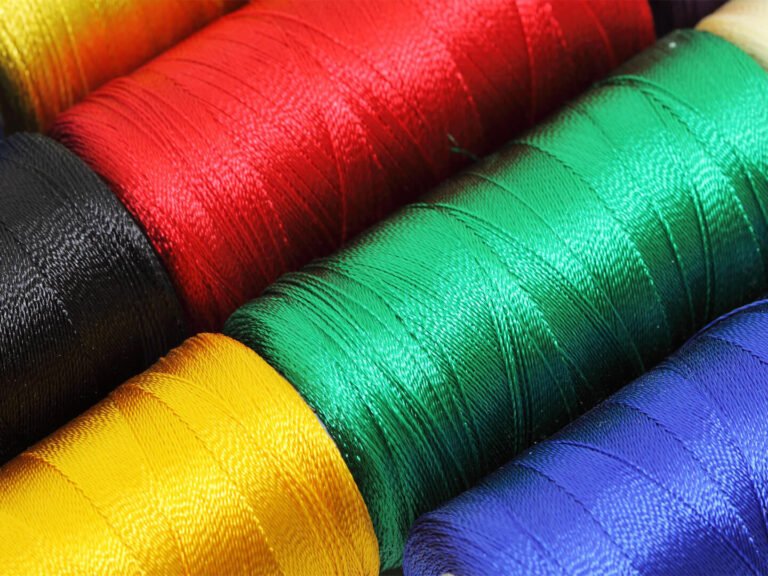
Over 300 colours are available, with an MOQ of 1,000 m per colour. That colour range supports branded retail packaging as well as safety applications where visibility matters. Diameters are customisable from 3-10mm, which covers everything from light utility cord to heavier marine line.
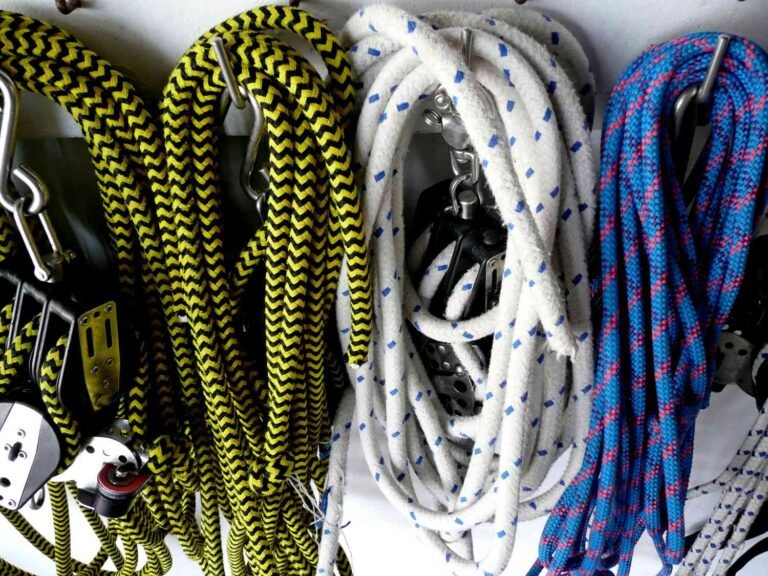
Five general braid constructions are available: hollow braid, solid braid, diamond braid, double braid, and flat braid. Alongside these, polypropylene is also offered in floating twisted and 3-strand twisted constructions. Each construction behaves differently in terms of softness, hand feel, and how it handles, so the right choice depends on how the rope will be used.
Packaging is often as important as the rope itself, particularly for retail brands. Options include bundle, hank, spool, and custom retail packaging. That means the same rope can ship as a bulk industrial supply or arrive shelf-ready as a packaged consumer product.
Manufacturing in our own factory in Jiangmen, China, means colour, diameter, construction, and packaging can be coordinated within one production process. For buyers, this reduces the number of parties involved and makes custom projects easier to manage. For custom options and product scope, the polypropylene rope manufacturer page is a practical starting point.
Send your specs — material, construction, diameter, colour, and quantity — for a custom quote.
Start by defining what the rope needs to do. Does it need to float, or does it mainly need to be economical? If buoyancy is the deciding factor, confirm the question “does polypropylene rope float” against the actual material rather than the product label, since floating rope and polypropylene rope are not always interchangeable terms. The answer guides the construction and diameter you choose.
It also helps to map out your polypropylene rope uses before you approach a supplier. A dock line, a buoy tether, and a general utility line may all call for pp rope, but they rarely call for the same construction or diameter. Listing the intended applications up front keeps the specification focused and avoids over-ordering.
Next, settle the colour, diameter, construction, and packaging. These are the core elements of most custom enquiries. Bringing these specifications to a supplier, rather than asking for a generic catalogue, leads to a more accurate response and fewer revisions later.
Finally, work with a factory that can handle both the material and the finished product. When colour, construction, and packaging come from one source, consistency across an order is easier to maintain, and custom projects stay within a single production process. If your specifications are ready, send them over and we will quote against your requirements.
Q: Does polypropylene rope float?
A: Yes. Polypropylene has a low density, so PP rope floats on water—one reason it is widely chosen for marine and water-based jobs. Baiyuheng offers polypropylene rope in 300+ colours from 3-10mm.
Q: What is polypropylene rope used for?
A: Its light weight, floating property, and low cost make PP rope a common choice for marine, utility, and cost-sensitive applications.
Q: What colours and constructions are available?
A: Baiyuheng offers 300+ polypropylene colours (MOQ 1,000 m per colour) in five braid constructions plus floating-twisted and 3-strand-twisted options.
Ready to source? Send your rope specifications and our team will prepare a tailored quote.