Request a Quote
Send us a message if you have any questions or request a quote. Our experts will give you a reply within 24 hours and help you.

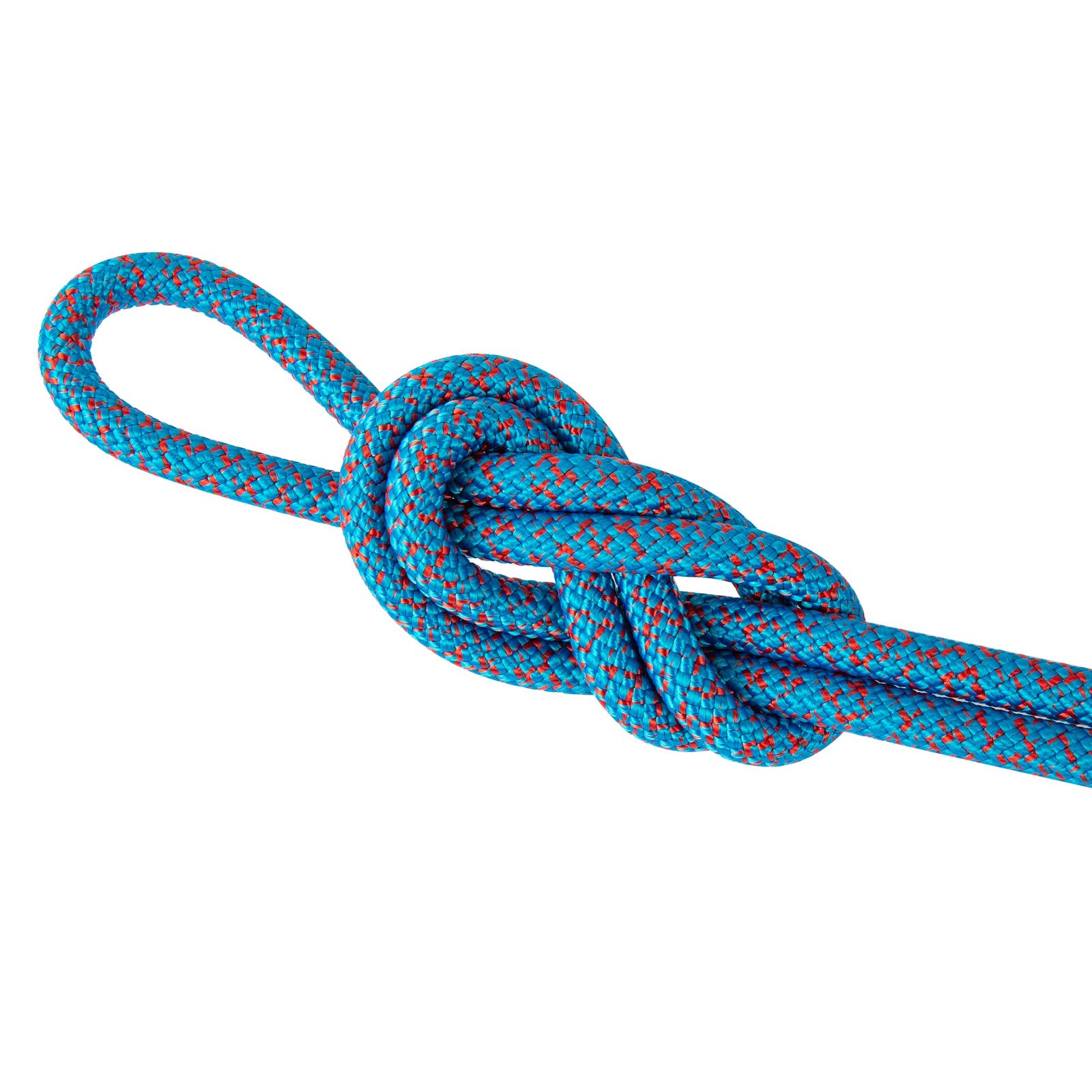
When choosing a rope for outdoor use, marine work, or general applications, many buyers face a common question: should they choose polyester rope or polypropylene rope?
At first glance, both materials look similar. They are synthetic ropes. They are widely used. And they are easy to find on the market. However, once you start using them, the differences become clear.
Some ropes last longer. Some perform better in sunlight. Others are cheaper but wear out faster.
If you are a brand owner, a distributor, or someone sourcing from a rope manufacturer, understanding these differences is important. It helps you choose the right product. It also helps you avoid problems later.
In this guide, we will compare polyester rope and polypropylene rope in simple terms. We will look at strength, durability, water behavior, cost, and real-world use.
Polyester rope is made from high-strength polyester fibers. It is known for its durability and stability.
Compared to other materials, polyester does not stretch much. It also performs very well in outdoor conditions.
Many users choose polyester rope because it:
Because of these features, polyester rope is often used in:
For long-term use, polyester is usually considered a reliable option.
Polypropylene rope is made from a lightweight plastic fiber. It is one of the most affordable types of rope available.
One of its most noticeable features is that it floats on water. This makes it useful in certain situations.
Polypropylene rope is often chosen because it:
Common uses include:
However, polypropylene has some limitations. It does not handle sunlight well, and it can degrade faster over time.

Polyester rope generally has higher strength compared to polypropylene rope.
It can handle heavier loads. It also performs better under continuous tension.
Polypropylene rope, on the other hand, is weaker. It is suitable for light-duty use but not ideal for heavy or critical tasks.
If strength is your main concern, polyester is the better choice.
Polyester rope has low stretch. This makes it stable and predictable during use.
It does not easily deform under load. This is important in applications like:
Polypropylene rope has higher stretch. It can elongate under pressure, which may reduce control.
In some cases, stretch can be useful. But for most outdoor and professional uses, low stretch is preferred.
This is one of the biggest differences.
Polyester rope has strong UV resistance. It can stay under sunlight for long periods without significant damage. According to material performance data from industry sources, polyester fibers are known for their excellent resistance to UV degradation in outdoor environments.
Polypropylene rope is much more sensitive to UV exposure. Over time, sunlight can cause it to become brittle and weak.
For outdoor use, especially long-term exposure, polyester rope is clearly more reliable.
Polypropylene rope floats on water. This is one of its main advantages.
It is often used in situations where visibility and retrieval in water are important.
Polyester rope sinks in water. However, it maintains its strength even when wet.
So the choice depends on your use:
Polyester rope has better resistance to wear and friction.
It can handle rough surfaces and repeated use without breaking down quickly.
Polypropylene rope wears out faster when exposed to friction.
For demanding environments, polyester rope lasts longer.
Polypropylene rope is cheaper. This makes it attractive for bulk purchases or short-term use.
Polyester rope costs more. However, it offers better performance and longer lifespan.
In many cases, polyester provides better value over time, even if the initial price is higher.
While this article focuses on polyester and polypropylene, many buyers also compare polyester with nylon.
Nylon rope is known for its high strength and elasticity. It stretches more than polyester. This makes it useful for shock absorption.
However, nylon also absorbs water. This can reduce its strength in wet conditions.
Compared to nylon, polyester rope offers:
This is why polyester is often chosen for outdoor and marine applications where consistency matters.
If you are choosing rope for outdoor use, polyester rope is usually the better option.
It handles sunlight better. It resists wear. And it keeps its strength over time.
Polypropylene rope may work for short-term or temporary use. But for long-term outdoor exposure, it is not ideal.
Many outdoor brands prefer polyester rope for products like:
If durability is important, polyester is the safer choice.

Choose polyester rope if you need:
It is widely used in marine, industrial, and outdoor applications.
Choose polypropylene rope if you need:
It is suitable for simple tasks where performance is not critical.
No matter which material you choose, the quality of the rope manufacturer is just as important.
A reliable rope manufacturer can offer:
If you are sourcing for a brand or business, working directly with a manufacturer can help you control cost and quality.
It also allows you to customize your products based on your market needs.
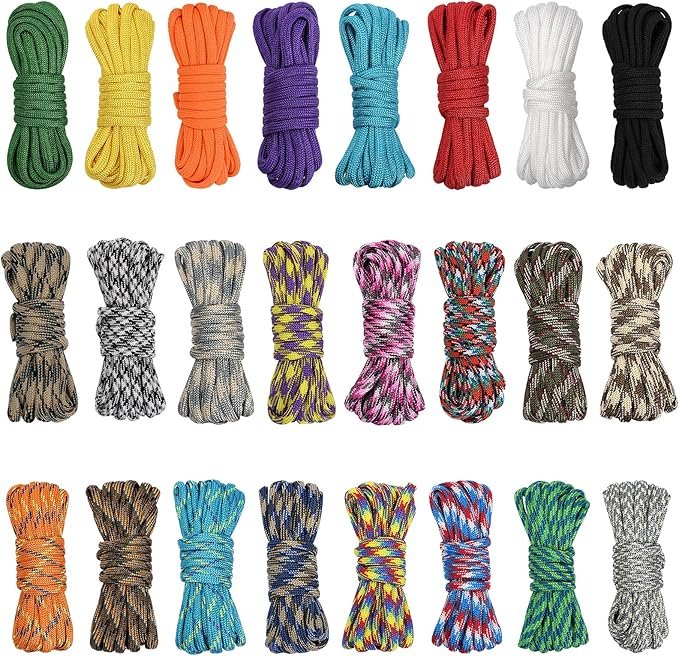
Both polyester rope and polypropylene rope have their own advantages.
Polypropylene rope is lightweight and affordable. It floats on water and is easy to use.
Polyester rope is stronger, more durable, and better suited for outdoor environments. It resists UV damage, handles wear, and maintains performance over time.
If you are looking for a long-lasting solution, polyester rope is usually the better investment.
For short-term or low-cost needs, polypropylene rope can still be a practical choice.
In the end, the right rope depends on your specific application. Understanding these differences will help you make a better decision.