Request a Quote
Send us a message if you have any questions or request a quote. Our experts will give you a reply within 24 hours and help you.


If you use rope often, you already know that a dirty or poorly stored rope won’t last very long. Among all the synthetic ropes out there, polyester rope is one of the most popular choices. It is strong, resists UV damage, and doesn’t soak up water like some other materials. But even the best rope needs care. Without proper cleaning and storage, dirt, salt, mold, and sun exposure will slowly break down the fibers. In this guide, I will show you step by step how to clean and maintain your polyester rope so it stays safe and lasts for years. I will also compare it with nylon here and there, because many people ask how the two materials differ when it comes to maintenance. And to give you some extra tips, I’ll share what a good rope manufacturer usually recommends for long rope life.
Let’s get started.
You might think, “It’s just a rope. Why clean it?” That’s a fair question. But here is the truth. Dirt and grime act like sandpaper on the fibers. Every time you use a dirty rope, small particles rub against the strands. Over time, this weakens the rope. Also, if you use your rope in salt water, the salt crystals can get inside the braids. When the rope dries, those crystals become sharp and cut the fibers from the inside. Mold and mildew won’t grow on polyester itself because polyester is a synthetic material that does not feed mold. However, mold can grow on the dirt that sits on the rope. Once mold appears, it leaves a bad smell and can make the rope stiff and unpleasant to handle.
Another reason to clean your rope is safety. A dirty rope hides damage. You might not see a frayed spot or a cut if the rope is covered in mud or grease. By cleaning it regularly, you can inspect the whole length of the rope and catch problems early. A well-maintained polyester rope can last five to ten years or even longer, depending on how often you use it. A neglected rope might need replacement after just one or two seasons.
So yes, cleaning is not just about looks. It is about keeping you safe and saving you money.

Before we dive into the cleaning steps, let’s quickly talk about nylon. Many people own both polyester and nylon ropes. They look similar, but they behave very differently when wet or dirty. Nylon is elastic and stretches a lot. That makes it great for things like towing or anchoring where you need shock absorption. But nylon also absorbs water. When nylon gets wet, it can soak up 10 to 15 percent of its weight in water. That water makes the rope weaker while it is wet. Also, when nylon dries, it becomes stiff and can shrink a little.
Polyester rope, on the other hand, absorbs almost no water. It stays the same strength whether it is wet or dry. That makes cleaning polyester much easier. You don’t have to worry about water damaging the fibers. You can wash it, soak it, and rinse it without losing strength. Nylon requires more care. You should never leave nylon wet for a long time because mildew can grow inside the wet fibers. You also need to dry nylon slowly away from heat, because high heat can make nylon lose its elasticity.
So the cleaning methods I will show you below work perfectly for polyester rope. If you also have nylon ropes, most of the same steps apply, but always remember to dry them more carefully and never use strong detergents.
Gather these simple items before you start. You probably already have most of them at home.
Do not use pressure washers, washing machines, or dryers. Those machines are too aggressive and will damage the rope’s fibers. Also, never use bleach or strong acids. They will eat away at the synthetic material.
I have broken this down into three levels of cleaning. Choose the one that fits how dirty your rope is.
If your rope only has some dust, pollen, or loose dirt from being on a dry deck or in a garage, you don’t need a full wash.
That’s it for light cleaning. It takes only five minutes.
This is the method you will use most of the time. It works for ropes used in boats, camping, gardening, or general outdoor work.
Step 1 – Fill the bucket with warm water
Fill your bucket about halfway with warm water. Add a few drops of mild dish soap. Do not use too much soap. You don’t want soap residue left inside the rope. Swirl the water with your hand to mix the soap.
Step 2 – Coil the rope loosely
Do not stuff the rope into the bucket in a tight ball. Instead, make a loose coil. This allows water and soap to reach all parts of the rope.
Step 3 – Soak for 10 to 15 minutes
Place the coiled rope into the soapy water. Let it sit. Do not leave it for hours. Ten to fifteen minutes is plenty. Polyester does not absorb water, so soaking longer does not help more. It only increases the chance of soap residue staying inside.
Step 4 – Scrub gently
Take the rope out of the water one section at a time. Lay it on a clean surface or hold it over the bucket. Use your soft brush to scrub along the length of the rope. Pay extra attention to the spots where the rope bends or where the strands cross. Those areas trap dirt. Brush in one direction, from one end of the rope to the other. Do not scrub back and forth aggressively, because that can push dirt deeper into the braid.
Step 5 – Rinse thoroughly
This step is very important. Any soap left in the rope will attract more dirt later. Use your garden hose or a bucket of clean water to rinse the rope. Keep rinsing until the water runs completely clear. If you use a hose, start from the top of the rope and work down. Turn the rope over and rinse again.
Step 6 – Squeeze out extra water
Do not wring or twist the rope. Wringing can damage the internal fibers. Instead, gently squeeze the rope along its length. You can also wrap it in a clean, dry towel and press down. The towel will absorb a lot of water. Polyester does not hold much water anyway, so this step goes fast.
Step 7 – Hang to dry
Find a spot with good airflow but out of direct sunlight. A shaded porch, a garage with a fan, or a laundry room works well. Hang the rope in a loose loop so air can reach every side. Do not hang it over a sharp hook or a nail, because the weight of the wet rope can create a pinch point and leave a permanent dent in the fibers. Let it dry completely. Depending on the humidity, this can take a few hours to a full day. You will know it is dry when the rope feels warm and no moisture comes out when you squeeze it.
If your rope has been sitting in a damp basement for months or got covered in fish oil from a boat trip, you need a deeper clean. But be careful. Heavy cleaning should not be done often, because even gentle scrubbing adds wear over time.
For mold or mildew:
First, understand that mold grows on dirt, not on the polyester itself. So you need to remove the dirt that feeds the mold. Mix one part white vinegar with three parts warm water. Vinegar is a mild acid that kills mold spores without hurting synthetic fibers. Do not use bleach. Bleach will damage polyester and make it brittle. Soak the rope in the vinegar solution for 15 minutes. Then follow the medium cleaning steps above with mild soap. The vinegar smell will go away once the rope dries.
For grease, oil, or heavy grime:
Use a stronger but still safe cleaner. Dish soaps like Dawn are good because they break down oil. Mix a little more soap than usual into warm water. Soak the rope for 15 minutes. Then scrub the greasy spots with your soft brush. You may need to repeat this two or three times. After each wash, rinse very well. For oil that is really stuck, you can let the rope sit in soapy water for up to 30 minutes, but not longer. After cleaning, rinse extra thoroughly. Any leftover soap will attract more dirt next time you use the rope.
For bad smells:
Bad smells usually come from bacteria or mold. After cleaning with vinegar (for mold) or soap (for general dirt), do one final rinse with a very mild baking soda solution. Mix one tablespoon of baking soda into a gallon of warm water. Soak the rope for five minutes, then rinse well. Baking soda neutralizes odors without harsh chemicals. Then dry the rope completely. Never store a rope that is even a little bit damp.
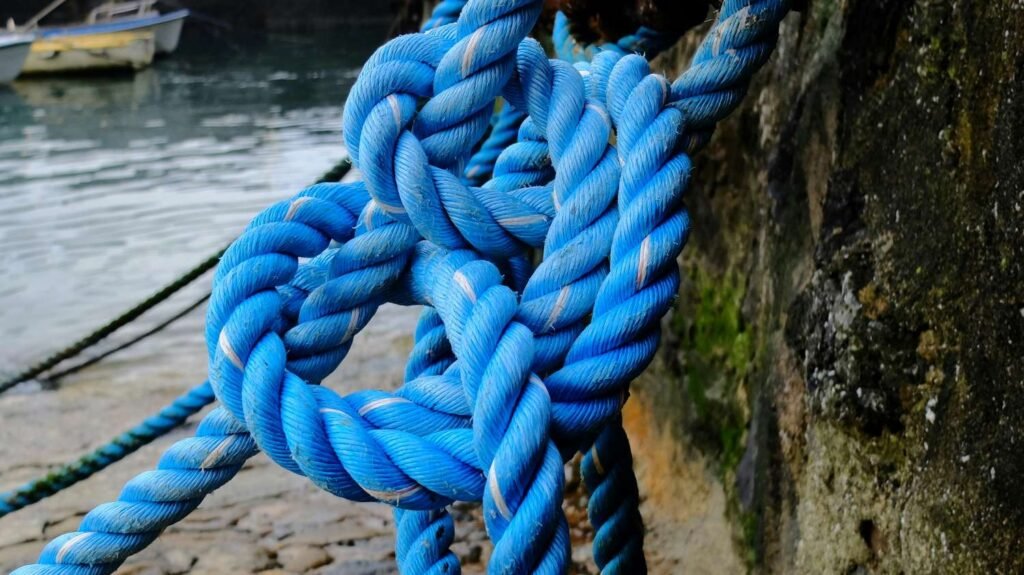
Cleaning is only half the job. How you dry and store your rope matters just as much.
Drying tips:
Storage tips:
A good rope manufacturer will often include storage recommendations on their website or on the product tag. It is worth checking. Different manufacturers may use slightly different coatings or treatments on their ropes, so following their advice is always smart.
Cleaning is the perfect time to inspect your rope. Run your hands along the entire length. Feel for soft spots, hard spots, or lumps. Look for broken fibers, cuts, or abrasion marks. If you see white, fuzzy areas, that means the outer sheath is worn down. For a three-strand rope, check if the strands are still tight or if they have become loose and uneven.
Pay special attention to the first few inches from each end. That’s where ropes often show the first signs of wear because those parts get handled and tied the most.
If you find damage, ask yourself if the rope is still safe for what you do with it. For light jobs like hanging a plant or tying down a tarp, small wear might be okay. But for climbing, towing, anchoring a boat, or any job where a broken rope could cause injury or damage, replace the rope immediately. Do not try to patch or tape a damaged rope.
There is no fixed rule, but here is a simple guide.
And of course, if your rope gets visibly dirty or starts to smell, clean it right away. Do not wait.

I spoke with a technician from a well-known rope manufacturer to get their professional advice. They told me that one of the biggest mistakes people make is using fabric softeners or bleach when washing ropes. Fabric softeners leave a waxy coating that actually traps dirt. Bleach damages the chemical structure of polyester and nylon, making both materials weak and brittle.
The same rope manufacturer also said that many people do not rinse their ropes well enough. Soap residue is a common problem. If you feel a slippery or sticky film on your rope after it dries, you did not rinse enough. Go back and rinse again.
Another tip from that rope manufacturer was about labeling. If you have multiple ropes, write the purchase date on the rope end with a permanent marker. That way you know how old it is. Most polyester rope from a quality rope manufacturer can last five to ten years with good care. But if you use it heavily in harsh conditions, consider replacing it every two to three years.
Yes, with a few small changes. Nylon absorbs water, so it takes much longer to dry. After washing a nylon rope, you must hang it in a well-ventilated area and give it at least 24 to 48 hours to dry completely. Never store nylon wet. Also, nylon is more sensitive to UV light than polyester. So when you dry nylon, keep it out of the sun. The same rope manufacturer recommends using a fan to dry nylon faster without heat.
Do not use vinegar on nylon too often. Vinegar is mild, but repeated acid exposure can slowly weaken nylon. For nylon, stick to mild soap and water.
If you have both polyester and nylon ropes, store them separately. Nylon absorbs moisture from the air, and if you store it against a polyester rope in a closed bin, that moisture can get trapped.
Here is a quick list of things you should never do to your polyester rope.
Avoid these mistakes, and your rope will serve you well for many years.
Cleaning and maintaining your polyester rope is not hard. It takes only a few minutes every few months, but those few minutes can double or triple the life of your rope. A clean rope is a safe rope. You can see damage easily, you can handle it without getting dirty, and you can trust it when you need it most.
Remember the key points: use mild soap, rinse well, dry completely, store in a cool dark place, and inspect often. If you also own nylon ropes, treat them with a little extra care when drying and storing. And whenever you are unsure, check the website of your rope manufacturer. They know their product best and often have detailed care guides.
Now go grab that old rope sitting in your garage or boat locker. Give it a good wash. You will be surprised how much better it feels and how much longer it will last.
Thank you for reading. If you have any questions about cleaning specific types of rope, feel free to ask. And if you found this guide helpful, share it with a friend who also uses rope for camping, boating, or gardening. Good luck, and take care of your gear.