Request a Quote
Send us a message if you have any questions or request a quote. Our experts will give you a reply within 24 hours and help you.


Hello everyone! If you’ve ever found yourself staring at a rack of ropes, wondering whether to pick the nylon or the polyester one, you’re not alone. It’s a classic dilemma for boaters, campers, DIYers, and anyone who needs a reliable cord. Choosing the wrong type can lead to frustration, extra costs, or even safety concerns.
So, let’s settle this once and for all. I’m going to break down the key differences between nylon and polyester rope in plain language. By the end of this guide, you’ll know exactly which one to grab for your next project. We’ll look at strength, stretch, weather resistance, and more. Think of this as your friendly, no-nonsense cheat sheet to making the perfect choice.
First, it helps to understand what we’re dealing with. Both are synthetic ropes, but their “personalities” come from their materials.
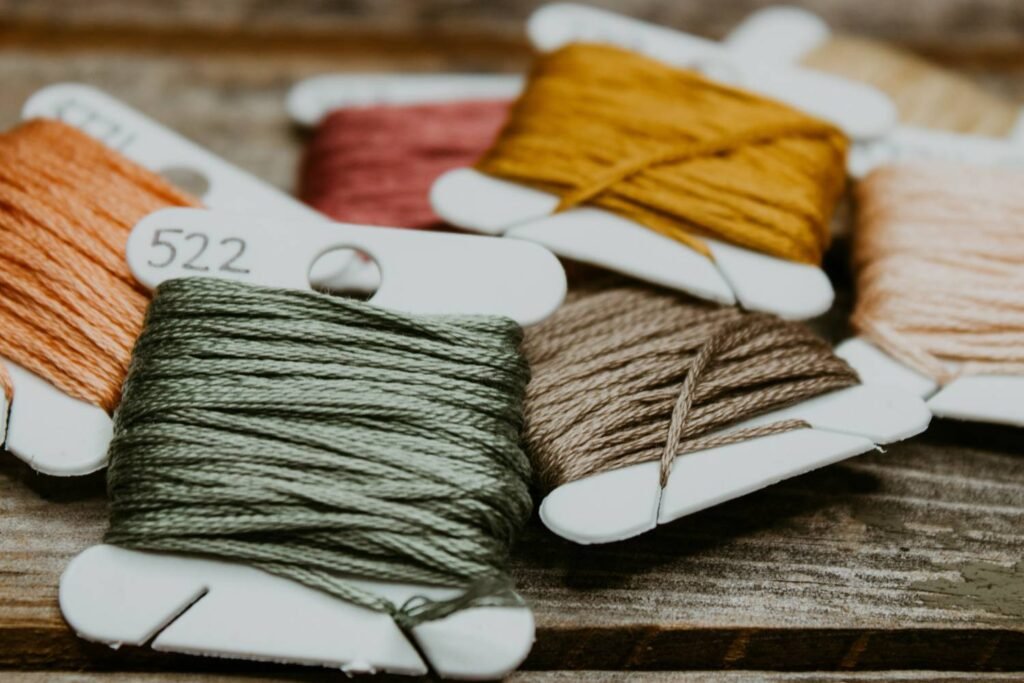
Let’s put them side-by-side on the critical factors. I’ve summarized it in a table for a quick glance, but we’ll dive into the details below.
| Feature | Nylon Rope | Polyester Rope | Winner For… |
|---|---|---|---|
| Strength & Strength When Wet | Very high tensile strength. Actually retains up to 100% of its strength when wet. | High tensile strength, slightly less than nylon. Retains 100% of its strength when wet. | Nylon for pure, dry strength. Tie for wet strength. |
| Stretch (Elongation) | High (15-30% stretch under load). Excellent for shock absorption. | Very Low (3-10% stretch under load). Excellent for precision and stability. | Polyester for low stretch. Nylon for shock load. |
| UV & Weather Resistance | Good, but prolonged sun exposure weakens it faster than polyester. | Superior. Handles long-term sun, rain, and temperature swings with less degradation. | Polyester. |
| Abrasion Resistance | Very good. The smooth, tough fibers handle friction well. | Excellent. Often has a slightly harder feel, making it very durable against wear. | Polyester, by a small margin. |
| Water Absorption | Absorbs water (up to 8% by weight). Can feel heavier and slower to dry. | Nearly zero absorption. Stays lightweight and dries quickly. | Polyester. |
| Floatability | Sinks. | Sinks. | Tie (Both sink). |
| Cost | Generally more expensive. | Typically more affordable. | Polyester. |
1. Strength and Stretch: The Tug-of-War
This is the biggest trade-off. Nylon rope is famously strong. But its secret weapon is elasticity. It can stretch up to 30% under load. This makes it a superhero for absorbing shock. Think of a boat bouncing against a dock, or a tow strap yanking a vehicle out of mud. The nylon stretches, cushions the jerk, and prevents a sudden snap.
On the other hand, polyester rope is also very strong, though usually a notch below nylon in raw tensile tests. Its defining trait is low stretch (often under 10%). A polyester line stays firm and stable. This is non-negotiable for sailing rigging, where you need the sail to hold its precise shape against the wind, not bounce around.
2. Battle Against the Elements: Sun, Water, and Wear
If your rope lives outdoors, this section is crucial.
Now, let’s translate these properties into real-world choices. Forget which is “better”; think about which is better for your specific job.
Choose NYLON Rope when your project involves:
Choose POLYESTER Rope when your project involves:
You can know all about nylon vs. polyester, but if the rope itself is poorly made, it won’t matter. The rope manufacturer plays a huge role. A reputable manufacturer uses quality fibers, consistent weaving or braiding techniques, and proper finishing treatments.
Look for ropes with a tight, even construction without loose threads. Feel the rope—it should be consistent throughout. Trusted manufacturers provide specifications like diameter, breaking strength, and sometimes even UV resistance ratings. Don’t just buy the cheapest spool; investing a bit more in a rope from a known manufacturer is an investment in safety and longevity.(For a deeper understanding of industry standards and what makes a quality rope, professional resources like the Cordage Institute’s guidelines can be very informative.)
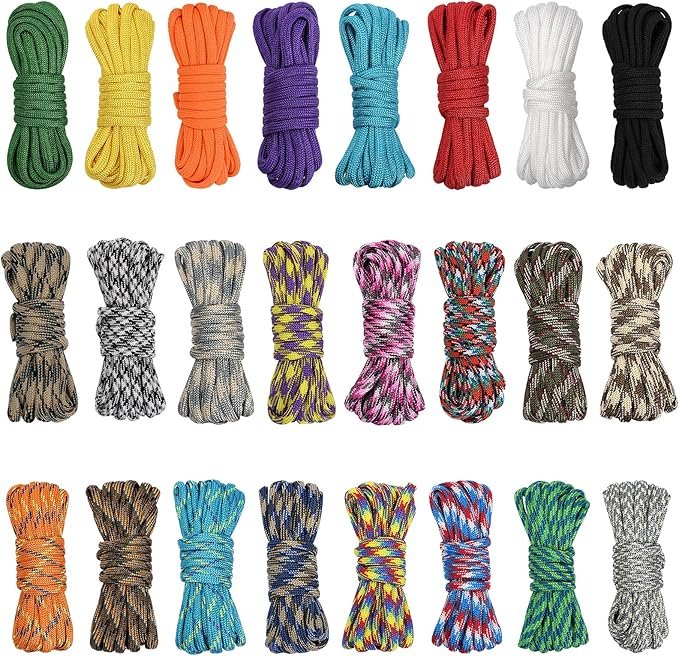
So, nylon or polyester? As you can see, there’s no single champion. It’s about matching the rope’s personality to your project’s demands.
Before you buy, ask yourself: Will this rope face sudden jerks? (Lean toward nylon). Does it need to stay exactly the same length under tension? (Definitely choose polyester). Will it live outside forever? (Polyester again).
I hope this guide has untangled the confusion! By understanding these simple differences, you can confidently choose a rope that will perform safely and reliably for years. What’s your next project? Share your rope questions or experiences in the comments below—I’d love to hear what you’re working on!